We Believe in Art Though Were Worlds Apart Green Carnation
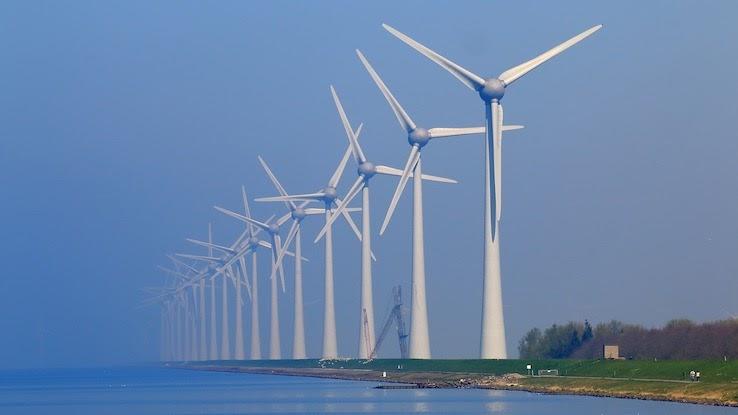
Whether information technology'south past banning cars, imposing strict emissions regulations or leaving fossil fuels behind, many cities are responding to climatic change, and information technology's improving the quality of life for residents. Fewer cars mean less traffic, and lower emissions pb to cleaner air.
At that place are many things that cities can do to go green. Sustainability may seem pricey initially, but information technology tends to save money long-term and helps preserve quality of life for everyone on this planet.
Oslo, Norway
The majuscule of Norway aims to permanently ban all private vehicles while investing in public transit. Currently, the ban simply covers the metropolis center, where all street parking has been converted to green space, bicycle lanes and recreational areas. Pedestrians, cyclists, and public transportation are at present amidst Oslo's highest priorities.
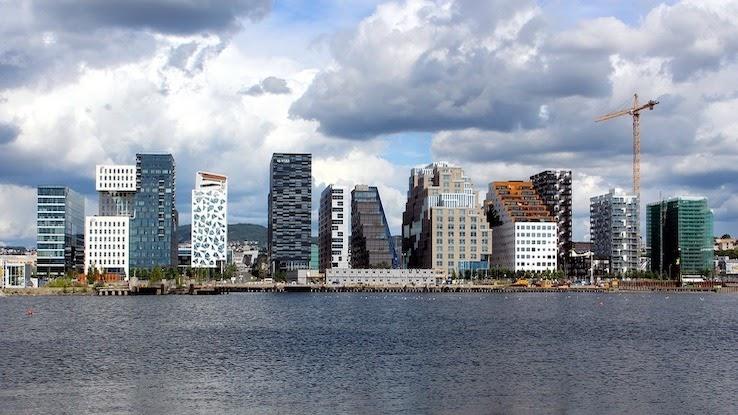
The urban center has taken of import steps in fighting climate change, and residents are already feeling the difference in air quality. They can enjoy the city eye more thoroughly without traffic and smog.
Mexico City, United mexican states
The U.N. chosen Mexico City the almost polluted metropolis on the planet in 1992. Since then, Mexico Metropolis has fabricated many changes, including promising to get rid of diesel cars by 2025. Through the expansion of public transportation, two million cars take been eliminated from the city's streets.
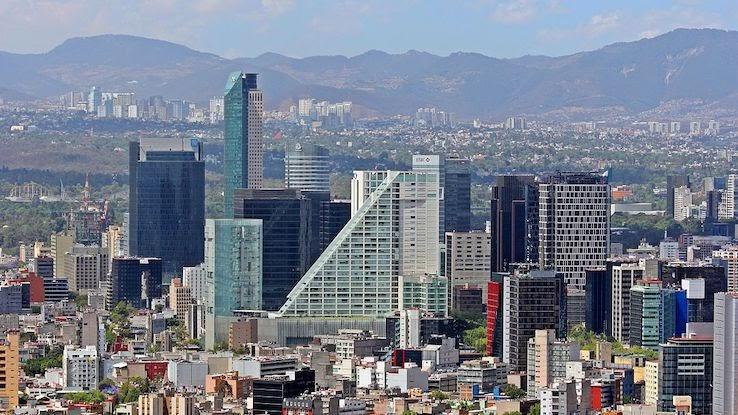
Starting in 2020, Mexico City bans many single-employ plastic items, and shops no longer carry plastic bags. Every bit of 2021, plastic straws, cups, cutlery and balloons are also illegal. Because Mexico City is second just to New York City for waste production, these changes could take a large impact.
Bogotá, Colombia
Bogotá, Colombia started closing city center streets to cars fashion back in 1974. Since then, the effort to remove cars from downtown has only expanded. On Sundays, city center streets are airtight from 7 a.g. until ii a.m., during which one million people use the infinite to ride bicycles and play sports instead. Bogotá also has over 200 miles of bike lanes running throughout the city.
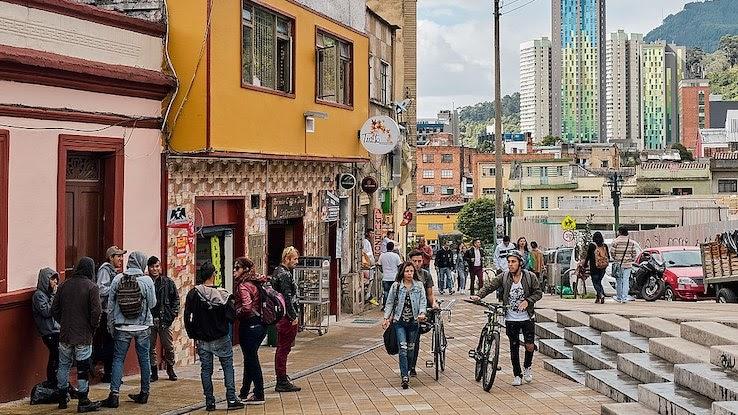
Every February 1st is Automobile-Free 24-hour interval in Bogotá. For xix years, this holiday has given the people of Bogotá a glimpse into an existence without the traffic, stress and pollution that cars create.
San Francisco, California
Ranking among the worst congestion in the world, traffic in the Bay Area is no joke. To combat this, San Francisco eliminated its minimum parking requirements for new developments, making parking spaces harder to discover and giving drivers a reason to choose other forms of transportation.
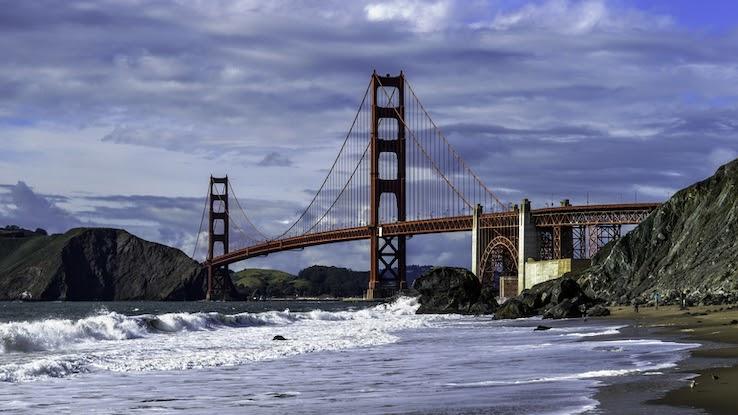
San Francisco also plans to go carbon neutral by 2050. In September 2019, city officials passed a law that says large commercial buildings must utilise renewable free energy sources for all of their power. The city is the first in the country to enact this law, and information technology could inspire other parts of the U.S. to do the same.
Madrid, Spain
Madrid made a bold move toward going greenish in 2018 past requiring all vehicles in the city center to be carbon emission-free. Neither gasoline vehicles registered earlier 2000 nor diesel fuel vehicles registered before 2006 can bulldoze in downtown Madrid. The just exception is if yous're an area resident.

The idea of this new law is to become emissions under control and also make the metropolis centre experience more than pleasant for anybody. When there is less traffic, both drivers and pedestrians can move more freely.
Berlin, Federal republic of germany
Berlin enacted a ban in 2008 to eliminate all cars that don't comply with the city's emissions standards. Thirty-four square miles of the city are included in the ban, covering effectually a tertiary of people living at that place. At the aforementioned fourth dimension, Berlin also boasts a dandy public transit system significantly boosts its eco-friendliness.
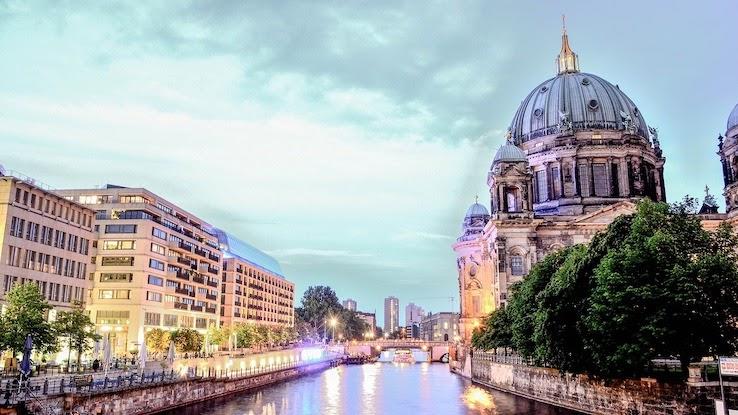
Berlin'due south refund arrangement for recycling has made the practice into a way of life for many residents. Germany's uppercase also has the greatest surface area of light-green infinite of whatsoever European urban center, with green space and h2o combined covering 46 percent of Berlin.
Hong Kong
Hong Kong is one of the busiest cities in the world, and all of that hustle leads to a less than dark-green environment. However, moves to ease pollution are being made, with many parts of Hong Kong closed off to cars entirely, such as Cheung Chau and Discovery Bay on Lantau Island.
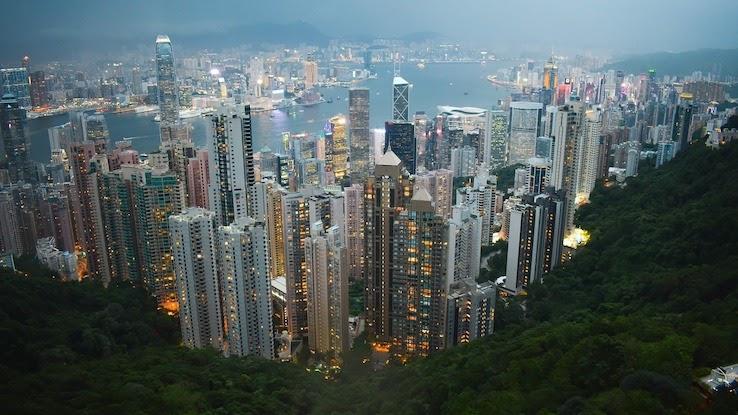
The city likewise plans to build more pedestrian-only zones in its busiest areas, and it has begun testing how the city would function after endmost streets in the busy business organization district known as Central. Hong Kong officials hope these moves subtract congestion and pollution at the same time.
Brussels, Belgium
Because of its condition as one of the most polluted cities in Europe, Brussels enacted a ban on all diesel vehicles made earlier 1998. It too implemented car-gratuitous Sundays every bit of 2019, and vehicle speed limits have been reduced in an endeavor to clean up the city's poor air quality.
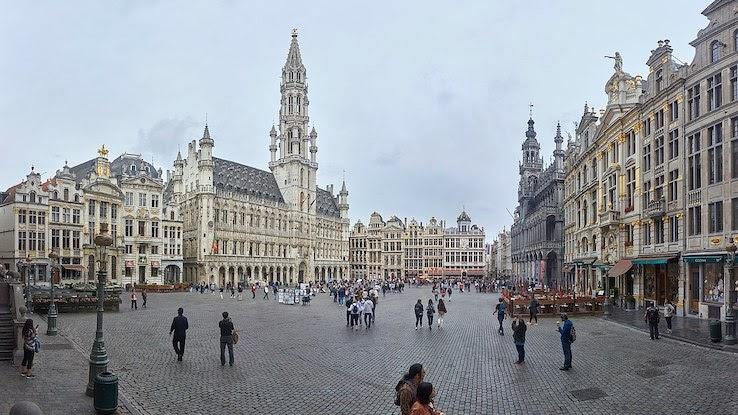
Brussels plans to make public transportation free during periods of loftier air pollution, and it may expand free public transportation to nights and weekends as well. City officials have also put endeavor into increasing the amount of pedestrian-friendly areas in the metropolis. They plan to eliminate all gasoline and diesel vehicles by 2035.
London, England
To counter high pollution levels, London has enacted strict emissions standards. Drivers of vehicles with heavy emissions must pay a high daily fee in order to bulldoze in the city, while most diesel cars are banned. Those cars that are immune must still pay a fee.
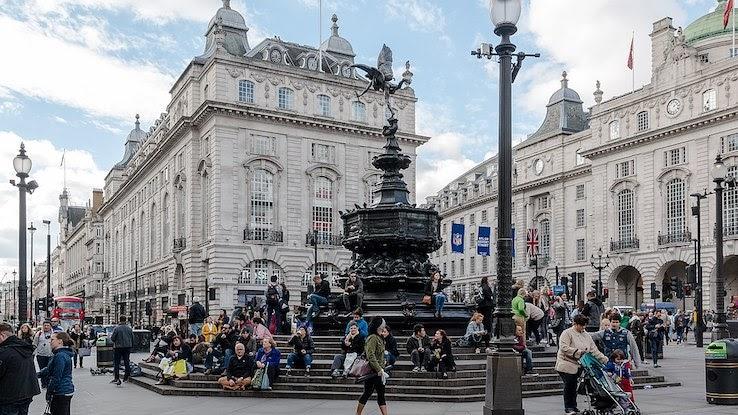
The low-emissions zone in London is gear up to expand in 2021. This effort includes fees on buses and coaches and an expansion to the northward and south circular zone. Estimates suggest that about 80 pct of cars in the depression-emissions zone will run across the city's emissions standards once the plan is implemented.
Barcelona, Spain
The movement to ban cars is well on its fashion in Barcelona. The metropolis transformed congested intersections into carless superblocks, each one consisting of ix pedestrian-only urban center blocks full of gardens and plazas. The goal of this initiative is to decrease air and racket pollution, and it'south already helping.
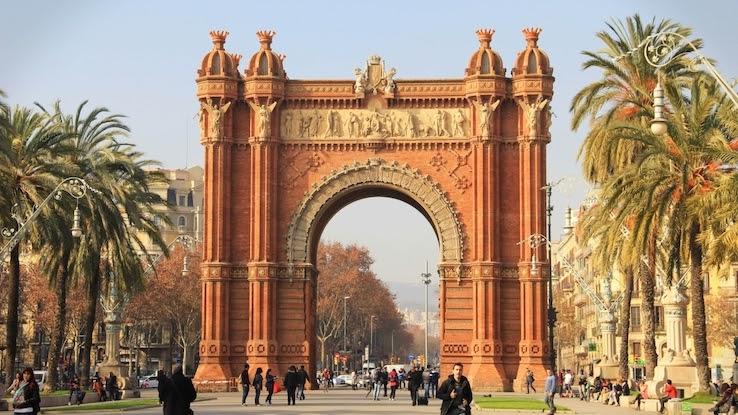
To combat global warming, Barcelona is building urban light-green infrastructure everywhere it can, including rooftop gardens. Local businesses like Barcelona Energia have enacted plans to reduce greenhouse gas emissions by transitioning to clean energy.
Venice, Italy
Venice, Europe's famous city of canals, does non let cars within the metropolis center. Anyone who visits by car must park outside the metropolis proper and walk in on foot. You can and so either continue walking or take a gondola to get around.
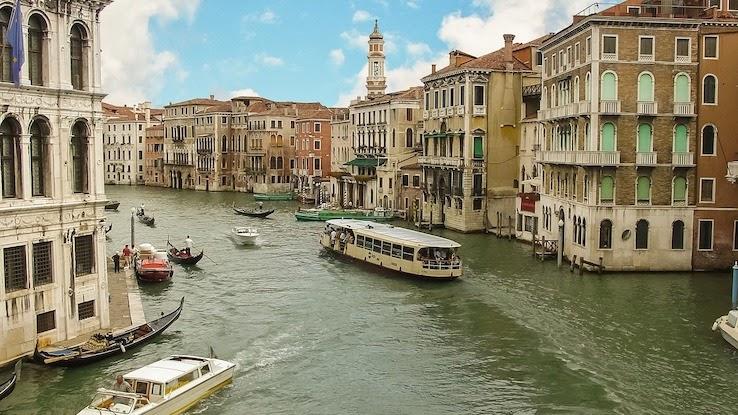
Because of Venice'due south summer oestrus, most houses have shutters on windows to keep interior spaces cool without using energy. Government-owned buildings aren't allowed to use air workout until June 15th. Such efforts lower Venice's energy bills and its carbon footprint at the aforementioned time.
Paris, France
Pollution in Paris is a serious problem, but the urban center has plans to bargain with it. Paris has banned cars registered before 1997 from driving in the city during the week, and it's in the procedure of turning a highway running alongside the Seine River into a promenade for pedestrians but.
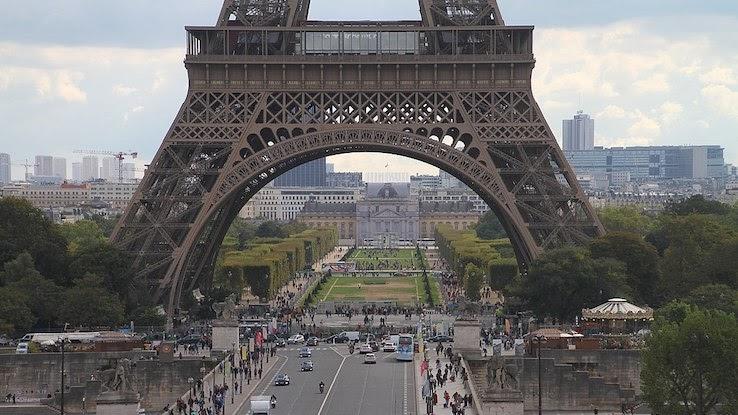
The city is gear up to double its bicycle lanes as of 2020, and it intends on completely banning diesel vehicles by 2025. These eco-driven moves will no dubiety assist clean Paris' air, not to mention make the city much more endurable to live in by reducing the traffic.
Copenhagen, Denmark
Because Copenhagen is amidst the most bicycle-friendly places on the planet, more one-half of residents bike to work every single day. If that wasn't enough, Copenhagen also plans to be completely carbon neutral past 2025.
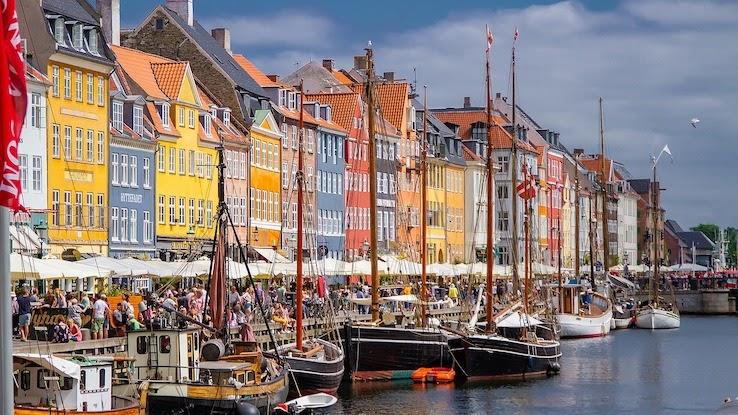
The city'south buses are already moving to electric from diesel, and at that place are plans underway to build an artificial ski slope called Copenhill. Different other places to ski, Copenhill will embrace city waste as it's turned into free energy for both businesses and homes. The city also wants to build a bicycle superhighway covering 300 miles to connect Copenhagen to its suburbs.
Athens, Hellenic republic
Athens is in the procedure of banning all diesel cars from its city heart by 2025, largely considering of the city's poor air quality. The goal is to eventually ban all gasoline cars equally well while encouraging electric vehicles and sustainable transportation.

Athens built a metro network in 2010 for the Olympics and has since seen reduced traffic congestion and lower commute times and air pollution every bit a issue. City officials are in the process of implementing a green economic strategy to foster all kinds of green jobs and investment in Athens.
Minneapolis, Minnesota
After San Francisco overturned its mandatory parking minimums for new developments, Minneapolis quickly followed suit. The idea is to discourage driving and get people walking and using public transit instead. This policy aims to reduce both emissions and road congestion.
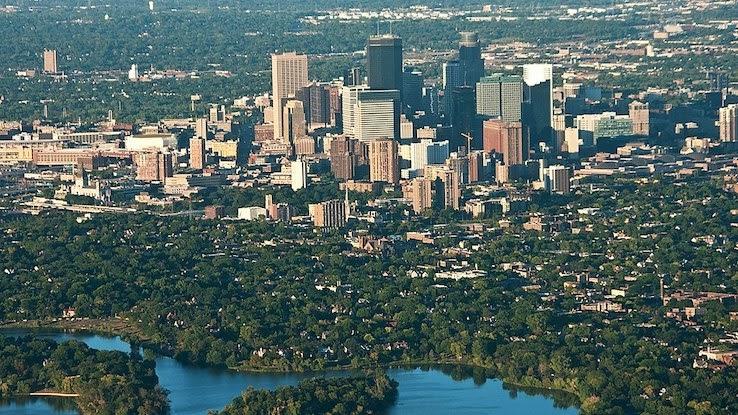
Overall, Minneapolis officials want to reduce emissions by a whopping fourscore percent before 2050 and decrease miles driven locally by twoscore per centum. Efforts are also underway to create green roofs throughout the urban center and found more trees, leading to a more sustainable city.
Ghent, Belgium
Ghent, Belgium is alee of other cities when it comes to banning cars. Automobiles haven't been allowed in the city center since 1996. Past taking such steps to combat both air pollution and traffic congestion, Brussels created more room for public transportation and bicycles.
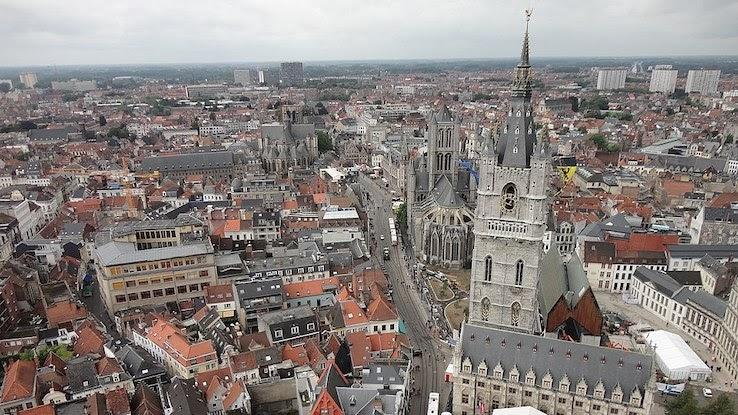
This mid-sized city also intends on becoming carbon neutral by 2050. Brussels has put a lot of work into reducing emissions in the areas of transportation, agriculture and lighting. In improver, Ghent households now recycle more than half of their waste matter thanks to initiatives put in place past the urban center.
Fes el Bali, Kingdom of morocco
Fes el Bali is the ancient walled department of Fes, Kingdom of morocco. More notably, information technology is the biggest car-free zone in the earth. The walled area was named a UNESCO World Heritage Site in 1991. The street traffic is populated by pedestrians, cyclists, donkeys and carts, merely no cars salve for some emergency vehicles.

The population of Fes el Bali is roughly 156,000, making its car-free country quite the feat. Whether you're a tourist or a local, the thousands of narrow alleys in the area brand being able to walk without worrying about cars a blessing.
Tokyo, Japan
Tokyo began its move toward eco-friendliness in 2002 with policies intended to ensure the development of green infrastructure. Large buildings in the city must abide by efficient energy utilise standards, and programs are in place to reduce waste that ends upwards in landfills.
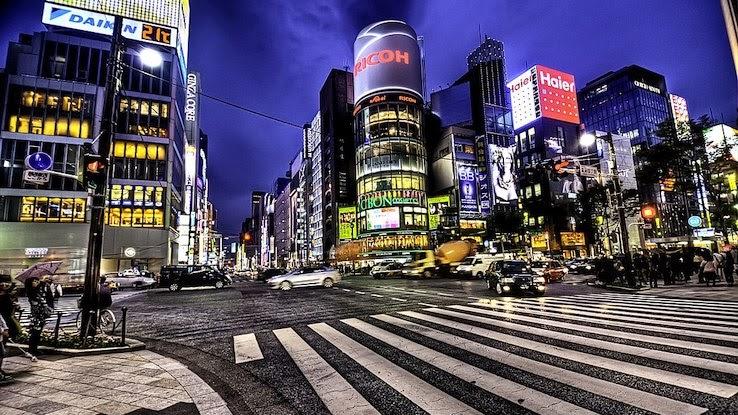
Strict regulation on diesel vehicle emissions began in Tokyo in 2003. Vehicles that don't pass an emissions test aren't allowed to drive in the city. Other policy goals fix by Tokyo include reducing plastic bag usage, converting to LED light, and using renewable energy for the 2020 Olympic Games.
New York Urban center, New York
While many New Yorkers take long relied on human foot travel to go effectually their home, the city continues to find means to reduce machine usage. Examples include bike sharing, the promotion of public transit and the creation of boosted pedestrian-simply zones in some of the busier parts of the urban center.
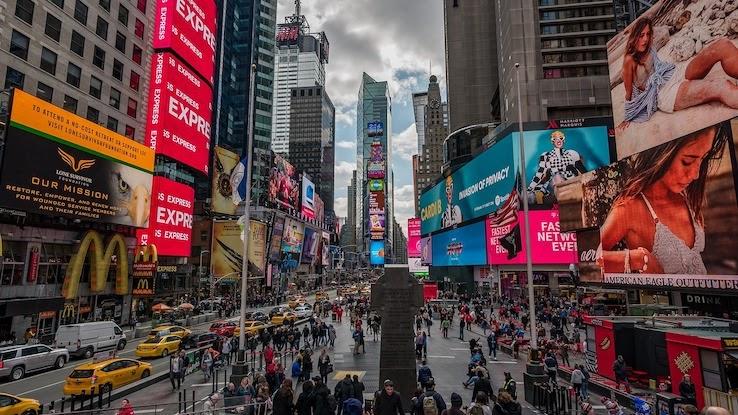
The city is also trying to reduce its carbon footprint through initiatives to build solar and wind energy farms. 50 percent of the city'southward energy will come from renewable sources by 2030. By 2050, the city aims to be carbon neutral.
Zermatt, Switzerland
No city is too small-scale to make an bear on on the planet. Although Zermatt, Switzerland only has about 5,700 residents, this alpine boondocks no longer tolerates cars powered by fossil fuels — just electrical and freight vehicles are allowed. Permits to bulldoze and park are merely available for the outskirts of town.
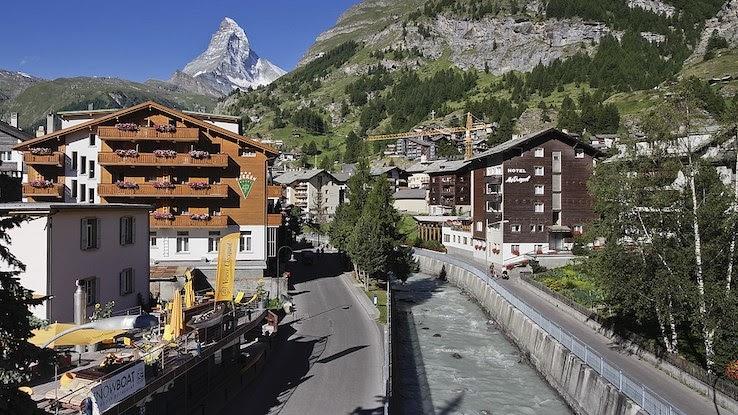
Zermatt's location is at the base of operations of ane of Europe's highest mountains, the Matterhorn. Information technology's particularly important to gainsay air pollution hither because of its potential to harm the visibility of local scenery. Of course, city officials too care virtually keeping Earth clean and green, so the no-automobile dominion serves many purposes.
Seoul, South Korea
To preserve air quality, Seoul banned all diesel vehicles built earlier 2005 unless they were able to laissez passer emissions standards. These emissions standards as well apply to Seoul's surrounding regions as of 2020.
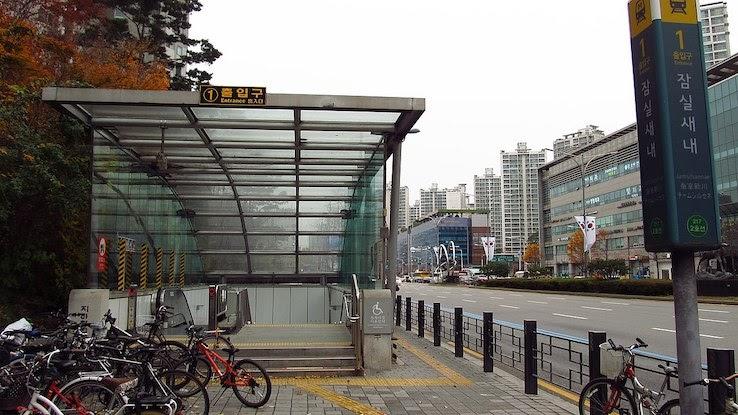
The long-term goal for Seoul is to create a city that doesn't need cars at all. Somewhen, everything will be accessible either on foot or via the city'south subway lines. Seoul has too implemented a programme where people must exit their cars at dwelling once a calendar week. Anyone who fails to do so faces college car fees.
New Delhi, India
In New Delhi, about 600,000 people die considering of air pollution annually. It is one of the well-nigh polluted cities in the earth. Still, local and national officials have begun to take action to combat the deadly air quality. For instance, taxis and motorcar-rickshaws are required to utilise gasoline diesel.
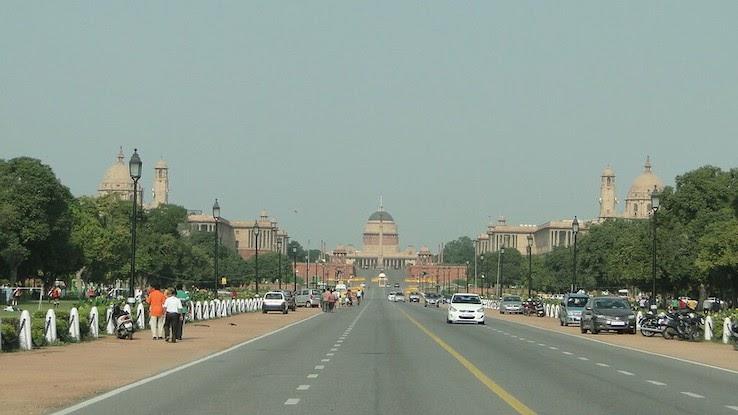
New Delhi also has a special policy based on license plate numbers that restricts when people can drive. Depending on what day it is, simply drivers with fifty-fifty or odd license numbers can take to the route. Stricter emissions standards costly penalties for burning trash are besides helping to fight dorsum against dirty air.
Curitiba, Brazil
Curitiba may non exist well known exterior of Brazil, only information technology has been proudly been named the green upper-case letter of the country. Residents recycle 70 per centum of the city'southward waste in part because of an incentive program that rewards people for recycling with cash, food and tokens.
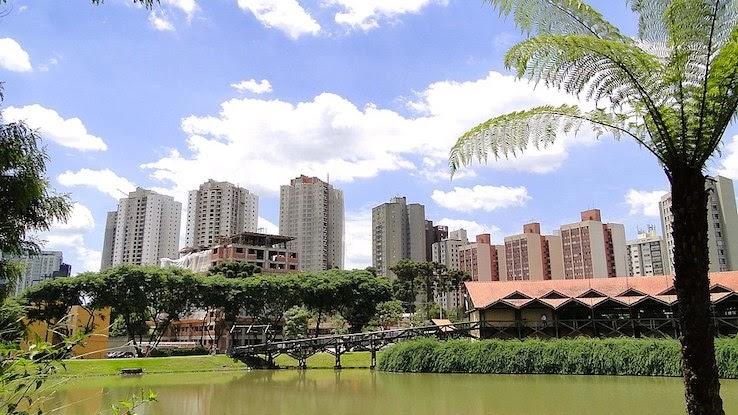
Curitiba also boasts an amazing public transit system that allows people to easily go around without cars, lowering the city's emissions. Furthermore, Curitiba's urban expanse includes plenty of green infinite, including sixteen parks and 14 forests.
Helsinki, Finland
Helsinki is i of the greenest cities in the entire earth, with 77 percentage of all trips taking identify by foot, bike or public transit. Nevertheless, the city is working to brand urban mobility and environmentally-friendly living an fifty-fifty college priority.
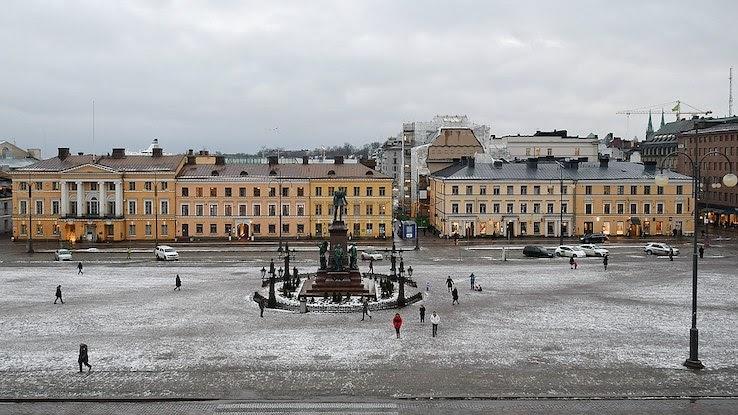
The city has plans to transform its suburbs into pedestrian-friendly areas that are accessible from the downtown area. Other goals include promoting public transport and decreasing the utilise of cars even farther.
Stockholm, Sweden
Stockholm's goal is to exist completely complimentary of fossil fuels past 2050, and information technology'southward already well on its way to getting at that place. The urban center boasts numerous initiatives to subtract its carbon emissions, including biofuel conversion plants that plough sewage into useable free energy.
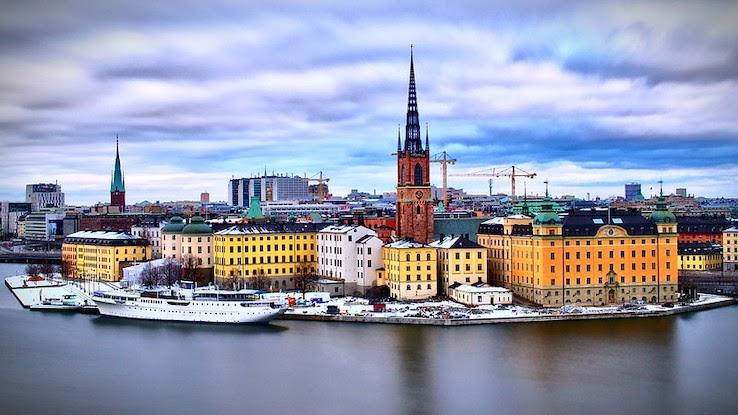
Stockholm also has a project in the works to turn waste heat from stadiums, data centers and stores into residential heating for the homes of the city. The metropolis even provides incentives for engineering businesses to move downtown that their waste heat can be utilized for this purpose.
Chengdu, People's republic of china
Communist china is changing the game when it comes to renewable energy. The country at present spends more on renewable energy than Europe and the U.S. combined. However, Red china'southward massive pollution problem means that it needs to go greener as quickly as possible.
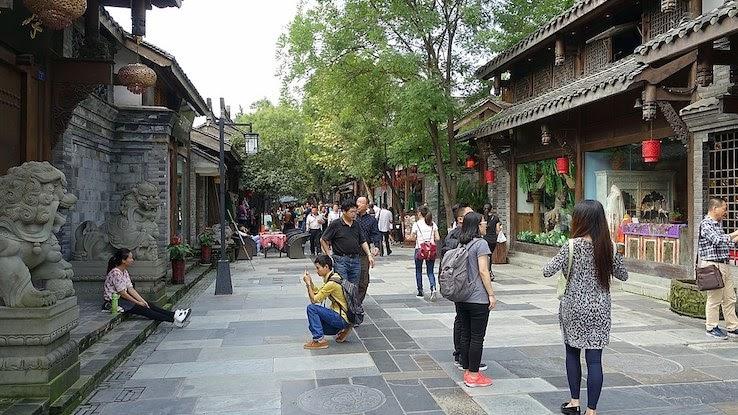
One solution for Mainland china is a satellite city beingness built outside Chengdu. It'south designed to allow residents to get anything they demand in the city within 15 minutes of walking, and many of the roads aren't open up to cars.
Amsterdam, Netherlands
In Amsterdam, there are more than bicycles than people. In addition to the normal variety, electric bikes are besides very popular. More than than 300 charging stations exist all over the city, while electric taxis and other transportation too be for anyone without a wheel
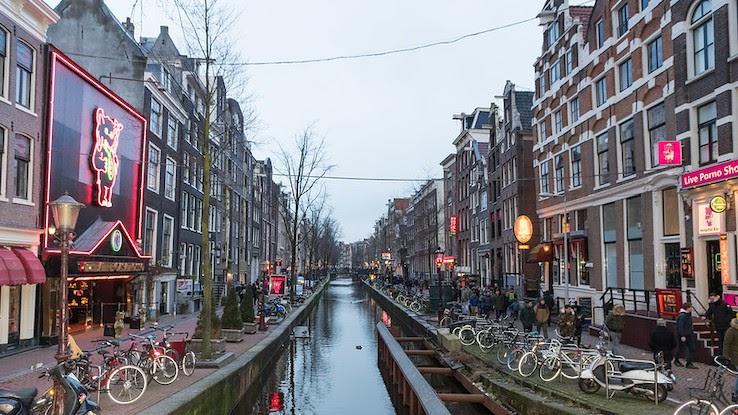
Even the garbage in Amsterdam is used responsibly: Solid waste is burned then used to power local residences and industries. Amsterdam too continues to invest in wind and solar energy, making it a truly green city.
Vancouver, Canada
Amid all of North America'south major cities, Vancouver has the lowest carbon emissions, although non without plenty of effort. The urban center has worked for years to provide charging ports for electrical vehicles, attainable public transit and a pedestrian-friendly city centre. It too promotes vertical upward growth — call up skyscrapers — instead of urban sprawl.
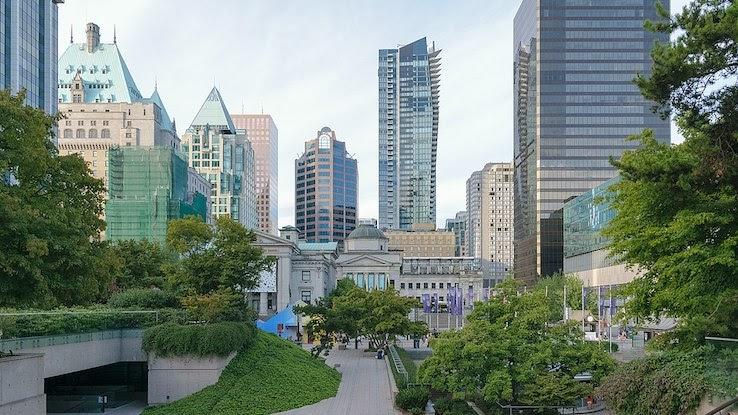
The metropolis's goal is to be the greenest city in the globe by 2020. In 2016, Vancouver ranked number one for air quality in major cities globally, then they might just go there.
Hamburg, Germany
Hamburg, the 2nd-largest city in Germany, is also one of the almost eco-friendly in Europe. It has bicycle paths, electrical transportation, successful waste reduction programs and restrictions on many dispensable items .
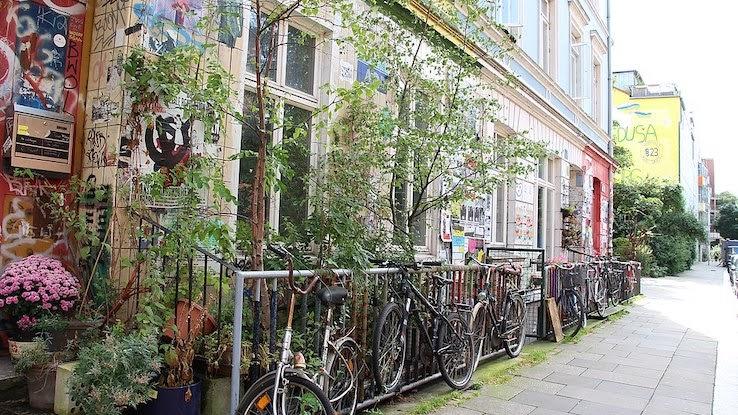
From 2020 onward, Hamburg only orders electrical buses for its public transportation fleet in an effort to move toward a zero-emissions bus arrangement. This goal will hopefully exist accomplished by 2030. While Germany as a whole is going green, Hamburg is amid the first cities to make a commitment to a completely electric bus armada.
Portland, Oregon
Since 1991, Portland, Oregon has transitioned away from fossil fuels to become ane of the greenest cities in the globe. This is cheers to splendid urban planning by its Sustainable Urban center Government (SCG). The metropolis has lowered carbon emissions by 17 percent since 2006, all while keeping population and manufacture growing.

What'due south more, residents of Portland recycle 63 percent of their waste thanks to a culture that embraces green living and nature. The metropolis'southward expansion of bike lanes has also helped the metropolis to cut back on emissions.
Source: https://www.life123.com/lifestyle/cities-around-world-going-green?utm_content=params%3Ao%3D740009%26ad%3DdirN%26qo%3DserpIndex

Post a Comment for "We Believe in Art Though Were Worlds Apart Green Carnation"